
Net Metering
How Net Metering Works for Canadian Homeowners
Net metering allows households with solar panels to export unused electricity to the grid and receive a credit. The rules differ by province and utility provider.
Rooftop solar installations, provincial net metering programs, and federal incentive structures — explained for homeowners considering a move to solar energy.
Browse the articles ↓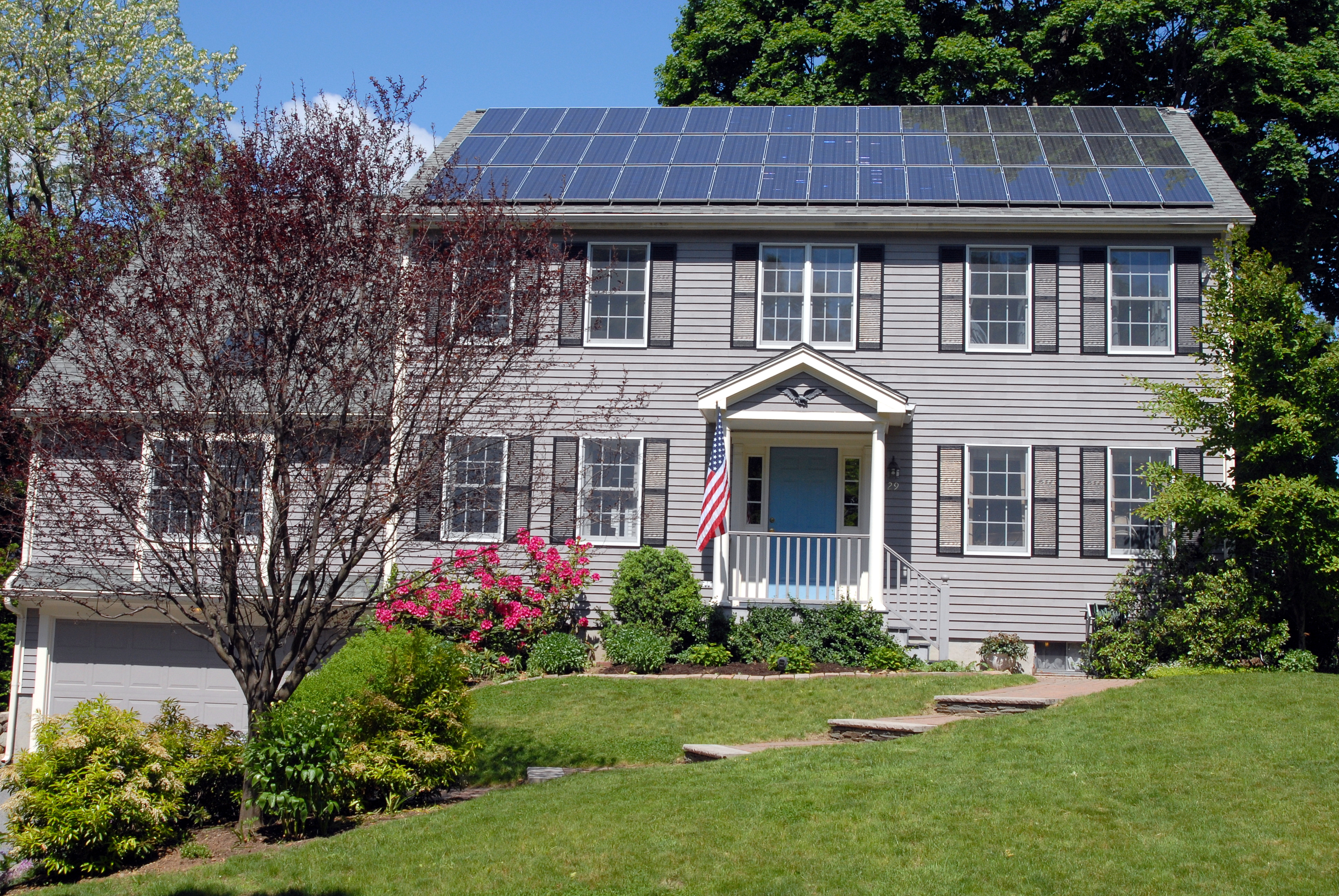
Net metering allows households with solar panels to export unused electricity to the grid and receive a credit. The rules differ by province and utility provider.

From the Canada Greener Homes Loan to Ontario and British Columbia rebate programs, a range of financial instruments are available to reduce upfront installation costs.

A site assessment, proper system sizing, local permits, and understanding your utility interconnection agreement are all part of the installation process.

Canada's residential solar sector has expanded significantly over the past decade. Falling hardware costs, improved grid interconnection rules, and a growing number of provincial net metering regulations have made rooftop solar a practical option for many homeowners.
This resource covers the core concepts: how photovoltaic systems are sized, how net metering credits are calculated, which federal and provincial financial instruments apply, and what the installation process typically involves.
Information is drawn from publicly available government sources, utility documentation, and industry bodies such as the Canadian Solar Industries Association (CanSIA) and Natural Resources Canada.
How solar panels convert sunlight to electricity, the role of inverters, and how a residential system connects to the utility grid.
Provincial net metering rules in Ontario, British Columbia, Alberta, Quebec, and the Atlantic provinces — including credit rates and billing structures.
The Canada Greener Homes Loan, provincial rebate programs, and federal tax measures that affect the cost of a residential solar installation.
How system capacity is estimated based on annual electricity consumption, roof orientation, shading, and local solar irradiance data.
Municipal building permits, electrical safety authority sign-offs, and utility interconnection agreements required before a system can be commissioned.
Panel degradation rates, inverter lifespan, warranty terms, and how to monitor system output over time.